In today’s digital landscape, businesses are inundated with vast amounts of data. The demand for efficient storage solutions is at an all-time high. Multi-tier Storage addresses this need by offering a structured approach to data management. It optimizes performance, accessibility, and cost.
Multi-tier Storage involves multiple device types, including SSDs and HDDs. This system classifies data based on usage and importance. Critical data is stored on high-speed tiers, while less-frequent data occupies slower, more cost-effective storage. Companies often face challenges when implementing these solutions. The right balance between cost and performance can be difficult to achieve.
Many organizations overlook the importance of regular assessments. User needs and data requirements can shift rapidly. Thus, periodic reviews of storage strategies are necessary. Adapting to these shifts ensures continued efficiency and reliability in data management. As we explore the top five Multi-tier Storage solutions, it’s essential to remember that the right choice varies for each business. Embracing a tailored approach can lead to better data handling and overall productivity.
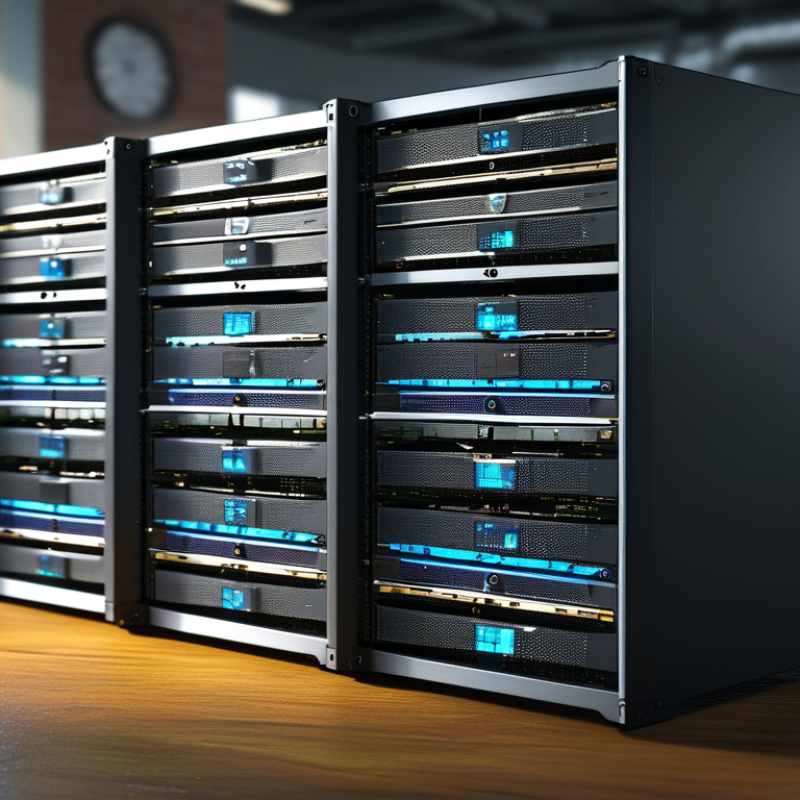
Multi-tier storage solutions offer a strategic approach to managing data. These systems allow businesses to categorize data based on its importance and frequency of access. By doing so, companies can optimize storage costs and improve performance. Different tiers usually include a combination of high-speed, high-cost storage and slower, lower-cost options.
Tips for effective implementation: Analyze your data thoroughly. Identify which data is accessed regularly and which can be archived. This assessment helps in assigning the right storage type. Regularly review your storage usage patterns. Adjust your strategies based on changing needs.
Understanding the significance of multi-tier storage is crucial. It not only boosts efficiency but also enhances data security. Implementing these solutions proves beneficial for businesses of all sizes. While setting up a multi-tier system may seem complex, it can lead to substantial long-term savings. However, be mindful of the initial configuration challenges and the need for regular updates to meet evolving demands. Embrace flexibility in your storage strategy to adapt to future technological advancements.
When choosing a multi-tier storage solution, the key features can significantly impact your business's efficiency and performance. Look for scalability, as this allows your storage system to grow with your needs. A solution that can expand easily will save you time and costs in the long run. Data retrieval speed is essential, too; quick access to your information can enhance productivity.
Consider the level of data security offered. Your storage should protect sensitive information against breaches. Multi-tier solutions often provide varying security levels for different data. This feature can help manage risks effectively and ensure compliance with data regulations.
Tips: Regularly evaluate your storage usage. Are you over-provisioning or under-utilizing? Monitoring helps in adjusting your tiers to fit your needs accurately. Balancing cost and performance can be tricky. Ensure you review your options every few months. This reflection can reveal areas for improvement and help optimize your storage strategy.
This chart represents the performance (IOPS - Input/Output Operations Per Second) of the top 5 multi-tier storage solutions suitable for business needs. Different solutions offer varying performance capabilities, making it essential to choose based on specific workload requirements.
When selecting a multi-tier storage solution for business needs, understanding the options is crucial. Each solution offers unique advantages. Some prioritize speed, while others focus on cost-efficiency. Businesses require a reliable approach to data management that evolves with their needs.
The leading providers vary significantly in service offerings. Certain solutions excel in cloud integration, which enhances flexibility. Others might shine in performance, delivering rapid access to critical data. It’s vital to assess the specific needs of your business. Cost is not the only factor; adaptability is equally important. A rigid solution can lead to challenges down the road.
Many organizations overlook the importance of scalability. As data grows, storage must expand seamlessly. Some providers may appear ideal initially but fail to adapt to changing data demands. Careful evaluation of each provider’s capabilities can reveal these potential pitfalls. The best storage solution is not always the most popular; it should align with your unique business goals.
Implementing multi-tier storage in your business can seem daunting. Start by assessing your data types. Different tiers serve varied purposes. Identifying critical and infrequently accessed data is key. Classifying your data ensures appropriate storage strategies.
Next, create a clear migration plan. Ensure that your team understands how data will move between tiers. Communication is essential for seamless transitions. Training staff on new systems can help alleviate resistance. Overcoming initial hurdles requires a mindset shift. Not every business gets it right on the first try.
Regularly review and adjust your strategies. Monitor performance and costs for each tier. Look for areas that can be optimized. The landscape of data storage is ever-evolving. Adapting could mean the difference between inefficiency and success. Reflecting on past mistakes can provide valuable lessons.
When analyzing the cost-benefit of multi-tier storage solutions, businesses often overlook hidden expenses. Research shows that companies can save up to 45% by implementing a tiered approach. This method aligns storage costs with data access frequency. Critical data resides in high-speed storage, while infrequently accessed files move to slower, cheaper options.
A report from the Storage Networking Industry Association highlights that 70% of enterprise data is rarely accessed. This statistic reveals a significant opportunity for cost reduction. Enterprises could allocate budgets more effectively. However, transitioning to a multi-tier system might involve initial setbacks. Data migration can be complex, and employee training is essential.
Choosing the right storage architecture requires an understanding of business needs. Not all solutions are one-size-fits-all. Companies must evaluate their data growth rates and access patterns. A poorly implemented system can lead to performance issues. Balancing cost with efficiency is crucial for sustainable results. Regular reassessment of storage performance and costs is necessary. This vigilance ensures that the storage infrastructure continues to meet evolving business demands.
: It's vital to understand specific business needs. Focus on adaptability and performance, not just cost.
They align storage costs with data access frequency. Critical data is stored in high-speed areas.
As data grows, storage must expand seamlessly. A rigid solution can create challenges later.
Initial costs may include data migration and employee training. These costs are often overlooked.
About 70% of enterprise data is seldom accessed. This presents opportunities for significant savings.
Evaluating capabilities is crucial. A poorly implemented system can lead to serious performance issues.
Business needs evolve. Regular checks ensure the storage meets current requirements effectively.
Not necessarily. The best solution should align with unique business goals and needs.
Many think they’re easy to implement, but complex migrations and training are often needed.
Balance cost with efficiency and keep evaluating storage performance regularly.
Multi-tier storage solutions have become increasingly important for businesses seeking to optimize data management and performance. These solutions utilize multiple storage tiers, each designed for different types of data and access needs, allowing organizations to efficiently allocate resources based on actual usage patterns. Key features to consider when selecting a multi-tier storage solution include scalability, flexibility, and integration capabilities with existing systems, which ensure that businesses can adapt to changing demands.
When implementing multi-tier storage, companies should develop strategic approaches that align with their specific operational requirements. A thorough cost-benefit analysis is also crucial, as it helps enterprises understand the long-term value and potential savings of adopting multi-tier storage solutions. By carefully considering these aspects, businesses can enhance data accessibility, reduce costs, and ultimately improve overall operational efficiency.

Shunyiming Racking