In the fast-evolving world of warehousing, efficient Pallet Storage solutions play a crucial role. According to John Smith, a renowned expert in warehouse management, "The right pallet system can transform your storage capacity and workflow." As businesses strive to streamline operations, the importance of optimal pallet configurations cannot be overstated.
Today’s warehouses face challenges like space constraints and inventory management complexities. Failing to adapt can result in lost productivity and increased costs. Innovative pallet storage methods can address these issues, enhancing both organization and accessibility. However, not every solution fits every warehouse.
Exploring various pallet storage techniques could lead to significant improvements. Each warehouse requires a tailored approach, considering factors like size, type of inventory, and available technology. Reflecting on past strategies can provide valuable insights. A hard look at what worked and what didn't is essential for fostering better practices in Pallet Storage.
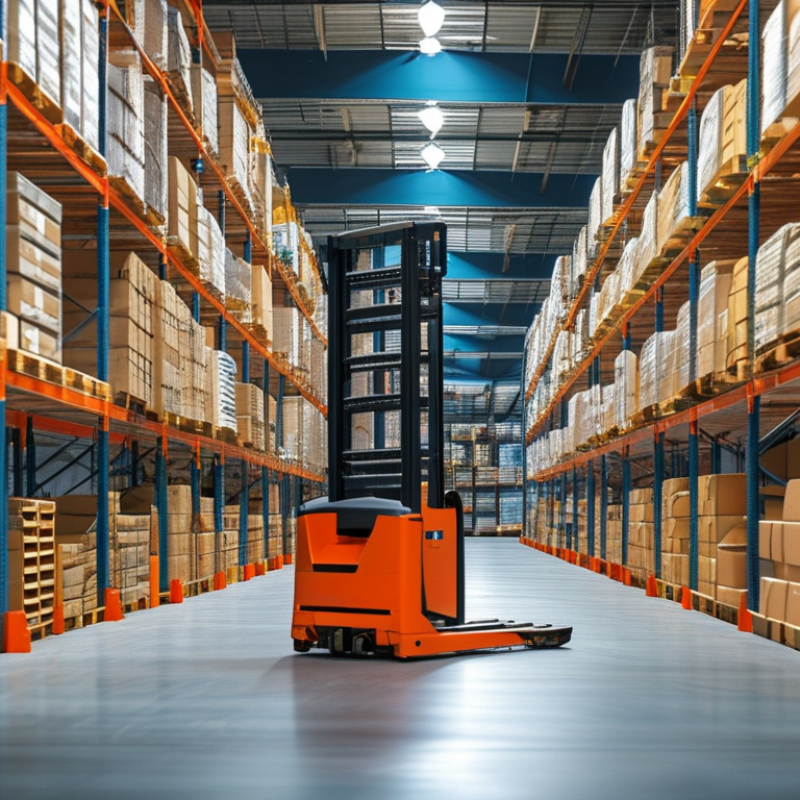
Top 5 Pallet Storage Solutions for Efficient Warehouse Management
Efficient warehouse management hinges on optimal pallet storage solutions. With various options available, selecting the right method enhances space utilization and increases productivity. One popular solution is the use of selective racking, known for its easy accessibility. This system allows quick access to individual pallets, facilitating faster order picking. However, it can sometimes lead to wasted space.
Another effective method is drive-in racking, where forklifts enter the racks to store pallets. This high-density storage saves valuable floor space but can complicate inventory management. Always consider your inventory turnover when choosing this system. It may not suit operations with diverse products.
For those needing flexibility, mobile racking is an innovative choice. This system allows racks to move, creating aisles only when needed. While it maximizes storage, it demands careful planning and regular maintenance to prevent inefficiencies.
To maximize your warehouse efficiency, assess your specific needs. Regular training for staff on equipment handling improves safety and productivity. Monitor space usage consistently. This ensures that your chosen solution continues to meet the evolving demands of your warehouse. Consider reevaluating your systems occasionally; it may reveal areas for improvement you hadn’t noticed before.
Top 5 Pallet Storage Solutions for Efficient Warehouse Management
| Storage Solution |
Capacity (Pallets) |
Space Efficiency |
Accessibility |
Ideal For |
| Selective Racking |
100-500 |
Moderate |
High |
General Storage |
| Double Deep Racking |
200-1000 |
High |
Moderate |
Bulk Storage |
| Drive-In Racking |
300-1200 |
Very High |
Low |
High Density Storage |
| Push Back Racking |
200-800 |
High |
Moderate |
FIFO Storage |
| Mobile Racking |
Variable |
Maximized |
Low |
Space Optimization |
Understanding the Importance of Efficient Pallet Storage in Warehousing
Efficient pallet storage is crucial for effective warehouse management. Proper organization significantly enhances productivity. When pallets are stored effectively, goods are easily accessible. This reduces the time workers spend searching for items. A well-structured system minimizes errors, ensuring that orders are fulfilled accurately.
Implementing various storage solutions can be challenging. One common issue is maximizing vertical space. Stacking pallets too high may create safety hazards. Workers could struggle to retrieve items safely. It’s vital to find a balance between height and accessibility. Additionally, proper labeling of pallets is often overlooked. Clear labels help workers identify products quickly. This simple step can lead to substantial time savings.
Regular assessments of storage methods can highlight areas needing improvement. Relying on outdated systems might result in inefficiencies. For instance, many warehouses still use traditional racking systems. While effective, they may not suit every type of inventory. Evaluating these approaches keeps operations flexible. Exploring alternative solutions may reveal insights for a better workflow. Remember, ongoing reflection ensures operations remain efficient in a changing environment.
Top 5 Pallet Storage Solutions for Efficient Warehouse Management
Overview of Common Pallet Storage Solutions Available Today
In today's fast-paced warehouse environments, efficient pallet storage solutions are paramount. Numerous options exist, each with unique advantages. Selective pallet racking remains popular. It allows access to every pallet, fostering quick retrieval. According to industry research, this system can improve warehouse efficiency by up to 35%. However, it may not fully optimize space in high-volume storage.
Drive-in and drive-through racking systems offer another strategy. These solutions utilize a first-in-first-out (FIFO) method, ideal for products with expiration dates. A study by the Warehousing Education and Research Council indicates that these systems can increase storage density by 75%. However, they do have limitations. Limited access to individual pallets can complicate inventory management.
Automated storage and retrieval systems (AS/RS) are gaining traction. They enhance speed and accuracy, significantly reducing labor costs. Reports indicate that AS/RS systems can cut operational time by 25%. Still, these systems require significant upfront investment and ongoing maintenance. Companies must assess whether their operational volume justifies such costs. Each solution offers benefits, but careful consideration is vital to align them with specific business needs.
Key Features and Benefits of Select Pallet Racking Systems
Choosing the right pallet storage solution can significantly affect warehouse efficiency. Modern racking systems come with key features that enhance storage capabilities. For instance, selective pallet racking allows for easy access to individual pallets. This design can optimize space use by up to 30%, making it a popular choice for many facilities.
Drive-in racking systems offer a high-density storage solution. They can increase storage capacity by 60%, allowing for effective use of vertical space. However, they can pose challenges in terms of accessibility. When utilizing this system, careful inventory management is crucial to prevent stock from becoming inaccessible. This reflects the importance of weighing benefits against potential drawbacks.
Another innovative option is the push-back racking system. It maximizes space by allowing pallets to be stored in a “last in, first out” manner. While this system is space-efficient, it requires careful planning for product rotation. Industry data shows that optimizing pallet storage can lead to a 15-25% increase in overall warehouse efficiency. Warehouse managers must consider these factors to choose an appropriate solution that suits their specific operational needs.
Comparative Analysis of Pallet Storage Solutions for Different Warehouse Needs
When analyzing pallet storage solutions, it’s essential to recognize varying warehouse needs. Different industries require tailored solutions for optimal efficiency. According to a recent report by the Warehousing Education and Research Council, nearly 30% of warehouses report inefficiencies tied to inventory management. This highlights the importance of selecting the right pallet system.
For small to medium-sized warehouses, selective pallet racking often emerges as a favored choice. This system provides direct access to each pallet, facilitating quick inventory retrieval. However, it may not maximize vertical space, limiting storage capacity. On the other hand, drive-in racking systems allow for denser storage but can complicate inventory management. Data indicates that drive-in systems can increase storage capacity by up to 75%. Yet, this comes with an increased risk of accessibility issues.
Automated storage solutions are gaining traction in larger facilities. These systems can boost efficiency while reducing labor costs. A study by the Logistics Management Association reports that automated systems can improve picking accuracy by up to 99.9%. However, implementing such systems requires significant investment and may not be feasible for all operations. Balancing costs with potential efficiency gains remains a challenge for many decision-makers.
Best Practices for Implementing Pallet Storage Solutions in Your Warehouse
Implementing effective pallet storage solutions in a warehouse can significantly enhance operational efficiency. According to a report by the Warehouse Management Association, optimizing pallet storage can reduce space requirements by up to 30%. Proper space utilization leads to more inventory on hand and improved accessibility. However, many warehouses still face challenges in adapting these systems effectively.
A strategic layout is crucial for successful implementation. Typically, a layout that maximizes vertical space can lead to storing more products per square foot. However, a common oversight is neglecting easy access to frequently moved items. Furthermore, training staff on proper handling techniques is equally vital. Engaging employees can enhance safety and efficiency. A survey from the National Safety Council indicates that 60% of warehouse injuries are related to improper equipment use.
Continuous assessment of pallet storage systems is essential. Regular audits can identify areas for improvement. Industry data reveals that 20% of businesses do not revisit their storage configurations, risking inefficiencies. Feedback from staff is valuable for making the necessary adjustments. Reflecting on these aspects leads to an adaptive and effective warehouse environment.
FAQS
: It enhances productivity and ensures goods are easily accessible, reducing search time for workers.
Maximizing vertical space can create safety hazards; stacking too high makes retrieval unsafe.
Clear labels help workers identify products quickly, leading to substantial time savings.
Regular assessments can highlight inefficiencies in outdated systems and improve workflow flexibility.
It allows easy access to individual pallets and can optimize space use by up to 30%.
They increase storage capacity but can make stock inaccessible without careful inventory management.
It allows storage in a “last in, first out” manner but requires planning for product rotation.
Proper training enhances safety and efficiency, addressing the high rate of injuries from equipment misuse.
Regular audits can uncover improvement areas; many businesses neglect to revisit their configurations.
Engaging staff feedback and adapting strategies can create a more efficient warehouse environment.
Conclusion
Pallet storage is a crucial component of efficient warehouse management, as it directly impacts space utilization and operational productivity. Understanding the different pallet storage solutions available today is essential for optimizing warehouse performance. Common options include selective racking, drive-in racking, and push-back systems, each offering unique features and benefits tailored to diverse warehousing needs.
Implementing the right pallet storage solution involves a comparative analysis of these systems based on factors like inventory type, turnover rates, and available space. By following best practices in the installation and management of pallet storage systems, warehouses can enhance efficiency, improve accessibility, and reduce handling costs, ultimately contributing to a more streamlined supply chain operation.

 Shunyiming Racking