How to Choose the Best Shelving Systems for Your Business?

Time:2026-09-07 Author:Oliver
0%

Choosing the right Shelving Systems can shape your daily operations, not merely improve storage capacity. A practical decision begins with your products, staff, building, and future demand. Consider the weight of each carton, the size of every SKU, and how often workers need access. A narrow aisle may save floor space, but it can slow picking when traffic increases.

John J. Bartholdi III, a respected warehouse design researcher, has stated, “The purpose of a warehouse is to provide the right product, at the right time, in the right condition.” His principle applies directly to shelving decisions. The best system supports safe access and predictable movement. It should also match your handling equipment, from hand carts to forklifts. Check load ratings carefully. Inspect beam connections. Leave practical clearance around lights, sprinklers, and walking routes.

Real experience often exposes flaws that floor plans miss. A shelf may look efficient on paper but feel awkward during a busy afternoon. I have seen teams choose maximum density, then lose time searching for small parts. That mistake is easy to repeat. It is also expensive.

There is no perfect layout.

Your business may need boltless shelving for lightweight inventory, heavy-duty pallet racking for bulk goods, or mobile shelving for limited floor space. Growth matters too. Modular components can reduce future disruption. Still, flexibility has limits. A thoughtful comparison of access speed, durability, safety, maintenance, and total cost will lead to a more reliable choice.
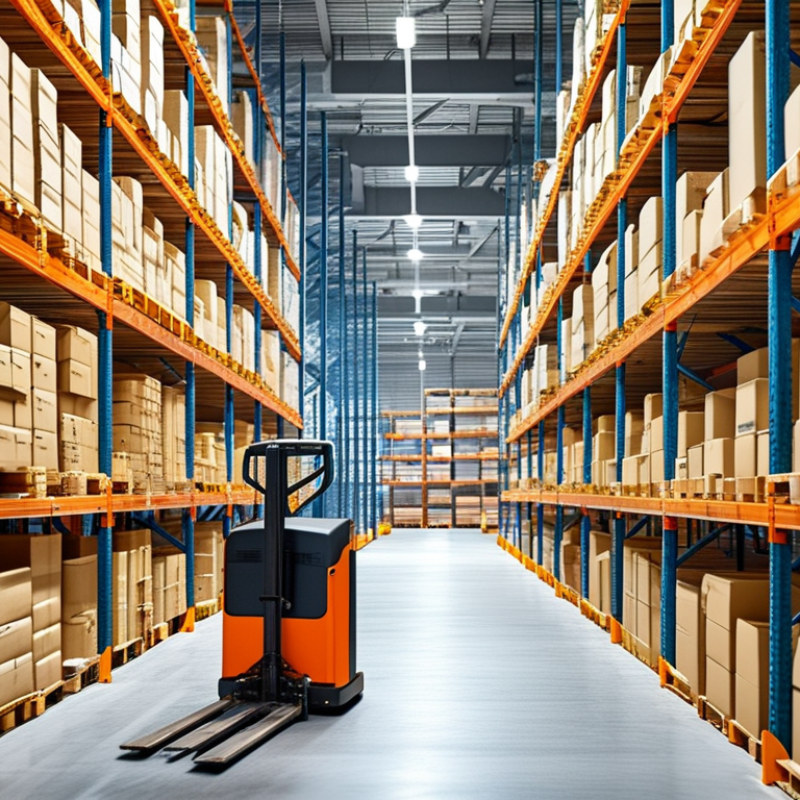
How to Choose the Best Shelving Systems for Your Business?

Understanding Your Business’s Storage Needs

Choosing the best shelving system starts with understanding your business’s storage needs. Measure available floor space, ceiling height, aisle width, and access points. Then record what you store, including weight, dimensions, turnover rate, and handling frequency. A small parts warehouse needs different shelving than a facility holding bulky equipment. The wrong choice can create blocked aisles, wasted space, and slower picking.

Industry data supports a careful, evidence-based approach. The 2024 MHI Annual Industry Report found that 55% of supply chain professionals expected to increase technology investment. This reflects a wider need for accurate inventory visibility and efficient layouts. Storage planning should support those goals. Review order history, seasonal peaks, damaged goods, and future growth before selecting a system. Do not design only for today’s inventory. That mistake is common, and expensive to correct.

Tips: Sketch your current workflow before speaking with a supplier. Mark receiving, storage, picking, packing, and dispatch areas. Leave clear routes for people and equipment. The U.S. Occupational Safety and Health Administration advises keeping aisles clear and maintaining stable storage arrangements. Check shelf load ratings against real product weights, not estimates. Review the design with warehouse staff; their practical experience may expose problems that a spreadsheet misses. Reassess the layout after several weeks. A system can look efficient on paper and still create awkward reaching, congestion, or unused vertical space.

How to Choose the Best Shelving Systems for Your Business?

Understanding Your Business’s Storage Needs

This planning profile uses practical weighting criteria for a mixed-inventory operation. Accessibility is prioritized for frequently picked items, while load capacity supports heavier products. Space utilization and flexibility help businesses manage limited floor space and changing inventory levels. Use these percentages as a starting point and adjust them using your own SKU volume, product weight, picking frequency, and available warehouse space.

Comparing Shelving System Types and Configurations

Choosing a shelving system starts with understanding the work, not the catalogue. Boltless shelving suits cartons, tools, and mixed inventory because shelves adjust without special equipment. Longspan shelving handles wider items, such as furniture parts or storage bins. Pallet racking is more suitable for heavy loads moved by forklifts. Mobile shelving saves floor space, but access becomes slower when several units share one aisle.

Configuration matters as much as shelf type. Measure the room, ceiling height, aisle width, and door position before ordering. A three-level layout may increase capacity, yet it can make frequently picked items uncomfortable to reach. Place fast-moving stock between waist and shoulder height. Keep heavier goods on lower levels. Adjustable shelves support changing inventory, while fixed layouts can feel stable but become restrictive. In practice, many businesses underestimate clearance for handles, ladders, and open doors. That mistake is expensive to correct.

Tips: Mark the proposed footprint on the floor with tape. Walk through it while carrying a typical box. Check each shelf’s rated capacity, not just its appearance. Leave room for inspection and cleaning. Review the layout after two weeks of real use; your first plan may be only partly right. A small trial section can reveal loading problems before the full installation. Ensure the system is anchored where required, and train staff to distribute weight evenly. Configuration should support safe movement, accurate picking, and future changes—not merely maximum storage density.

How to Choose the Best Shelving Systems for Your Business? - Comparing Shelving System Types and Configurations

Shelving System Type Typical Configuration Typical Load per Level Best Applications Main Advantages Limitations Adjustability Space Efficiency
Light-Duty Boltless Shelving Upright frames with clip-in or boltless beams and particleboard or steel panels 75–250 kg Offices, archives, retail back rooms, small stockrooms Quick assembly, low initial cost, easy relocation Not intended for very heavy or high-impact loads High; shelf heights can usually be changed without special tools Medium
Heavy-Duty Rivet Shelving Rivet beams, structural uprights, and steel or wood decking 250–900 kg Industrial storage, maintenance parts, tools, packaged goods High capacity, durable construction, accessible from both sides Requires more floor space than compact systems; manual handling is common High Medium to high
Long-Span Shelving Wide shelf bays, generally 1,500–2,400 mm wide, with steel or wood shelves 200–600 kg Bulky cartons, furniture components, containers, irregular loads Efficient for large or awkward items; fewer uprights improve access Long shelves may require reinforced beams and careful load distribution Medium to high High for bulky products
Mobile Shelving Shelving mounted on manually or electrically driven mobile bases 100–500 kg Archives, healthcare records, secure storage, high-value inventory Can increase storage density by reducing permanent aisles Higher purchase and installation cost; only one or a few aisles may be open at a time High Very high
Carton Flow Shelving Inclined roller or wheel tracks using first-in, first-out product flow 100–400 kg Order picking, e-commerce fulfillment, food and beverage distribution Improves picking speed, stock rotation, and replenishment visibility Higher cost than static shelving; not suitable for every carton size Medium High for fast-moving inventory
Wire Shelving Adjustable wire shelves on open-post frames, often with casters 100–350 kg Kitchens, laboratories, clean areas, healthcare, retail storage Good airflow, visibility, corrosion-resistant options, easy cleaning Small items may require shelf liners; wire surfaces may not suit unstable loads Very high Medium
Adjustable Pallet Racking Upright frames and horizontal beams storing palletized loads at multiple levels 1,000–4,500 kg per beam level Warehouses, distribution centers, manufacturing stockrooms Excellent vertical utilization, direct access to each pallet, scalable layout Requires powered handling equipment and wider operating aisles High High vertically; medium horizontally
Drive-In or Drive-Through Racking Forklift enters storage lanes supported by rails or guide arms Loads commonly exceed 1,000 kg per pallet position High-volume, low-SKU inventory with batch storage requirements Very high pallet density and reduced aisle requirements Limited selectivity, slower access, and greater risk of rack impact Low to medium Very high
Selection Checklist: Confirm the required load capacity, product dimensions, access frequency, stock rotation method, available ceiling height, aisle width, floor condition, expansion plans, and applicable workplace safety requirements before choosing a shelving configuration.

Evaluating Load Capacity, Materials, and Durability

Choosing shelving systems starts with the load, not the appearance. Measure each carton, pallet, and container at its heaviest realistic condition. Then include stored weight, handling impact, and future growth. ANSI/RMI MH16.1 provides design criteria for industrial steel storage racks, including capacity and structural performance. Never treat a label reading “maximum load” as a casual suggestion. Load per shelf can change when weight is unevenly distributed.

Material selection affects both strength and service life. Steel shelving suits dense inventory and frequent handling, while aluminum reduces weight but may need stricter load limits. In humid areas, powder coating or corrosion-resistant finishes deserve attention.

The U.S. Bureau of Labor Statistics recorded about 2.6 million nonfatal workplace injuries in private industry during 2023. Poorly maintained storage may not cause every incident, but it can increase workplace risk. Inspect beams, braces, clips, and floor anchors regularly. Small bends matter.

Durability also depends on daily behavior. A forklift strike can weaken a frame without obvious collapse. Use guards near traffic lanes and record every impact. OSHA warehouse guidance emphasizes keeping aisles clear and maintaining stable storage. This sounds simple. It is often neglected. I would also test a proposed layout with actual cartons, because supplier calculations may not reflect rushed loading, damaged packaging, or shifting stock. Performance should be reviewed after installation, not assumed from a specification sheet.

Planning Layout, Accessibility, and Future Expansion

How to Choose the Best Shelving Systems for Your Business?

Choosing shelving starts with movement, not metal. Map receiving, picking, packing, and returns before measuring bays. A useful layout leaves clear sightlines and separates fast-moving stock from slow inventory. The 2024 WERC DC Measures report treats order-picking accuracy as a core warehouse benchmark. Leading operations often target 99.5% or higher. That number changes the design conversation. Short travel paths matter, but misidentified locations create expensive corrections.

Accessibility needs physical testing. Push a loaded cart through each aisle, reach the highest routinely handled bin, and check lighting at labels. Do not design around an empty shelf. Allow space for replenishment, inspection, and safe turning. OSHA material-handling rules require storage areas and aisles to remain free from hazards, while local requirements may add detail. The U.S. Census Bureau reported that American e-commerce sales grew 8.1% in 2024, increasing pressure on picking and returns.

Future expansion requires adjustable levels, spare uprights, and a documented load plan. Reserve a small growth zone. Use modular components when product dimensions remain uncertain, and record beam loads, aisle widths, and floor limits. Expansion is easier with consistent labels and location codes. Yet overplanning can waste floor space. Review SKU velocity quarterly; today’s efficient layout may block tomorrow’s replenishment route. I would still prototype one bay before committing. Drawings rarely reveal awkward turns.

Balancing Installation Costs, Maintenance, and Safety

Choosing shelving for a business is rarely just a capacity decision. Installation costs, maintenance access, and safety controls can change the real price significantly.

Start with a site measurement, not a catalogue. Record ceiling height, floor condition, aisle width, load weights, and forklift routes. A modular system may cost more initially but reduce future reconfiguration work. Installation also needs competent contractors, level flooring, secure anchoring, and documented load ratings. The U.S. Bureau of Labor Statistics reported a 2023 total recordable injury rate of 4.8 cases per 100 full-time workers in warehousing and storage. That figure makes rushed installation a poor saving. OSHA also estimates around 35,000 serious forklift injuries occur annually in the United States. Shelving design must therefore protect both stored goods and moving workers.

Maintenance should be planned before the first box arrives. Leave inspection space, label every beam capacity, and replace damaged components instead of straightening them casually. Monthly visual checks can identify bent uprights, loose anchors, and overloaded levels. A formal quarterly inspection is more realistic for busy sites, although smaller operations may need a different schedule. I would not assume the cheapest system remains economical. Repeated repairs, blocked aisles, and difficult cleaning can quietly exceed the original installation difference. One overlooked detail is lighting: a dark lower shelf can hide impact damage for weeks. Use incident records, inspection notes, and supplier engineering documents when reviewing the system. Safety decisions should rely on evidence, not confident guesses.

FAQS

: How should a business assess its storage needs?

: Measure floor space, ceiling height, aisle width, doors, and equipment routes. Record product weight, size, turnover, and handling frequency. Measure twice. Review seasonal peaks and future growth before choosing shelves.

Which shelving type suits mixed inventory?

Adjustable shelving works well for cartons, tools, and changing stock. Wider shelving suits furniture parts and large storage bins. Heavy loads moved by forklifts need stronger rack systems. Mobile units save floor space but may slow access.

How can a layout improve picking efficiency?

Keep fast-moving items between waist and shoulder height. Place heavy goods on lower levels. Mark receiving, storage, picking, packing, and dispatch areas clearly. A layout can look efficient on paper and still create congestion.

What measurements are often overlooked?

Check clearance for handles, open doors, ladders, and cleaning equipment. Leave space for inspections and safe movement. A small trial section may reveal problems before full installation. I might underestimate door clearance without testing the layout physically.

How should shelf capacity be checked?

Compare rated capacity with actual product weights, not guesses. Distribute weight evenly across each level. Label beam capacities where workers can see them. Appearance is not proof.

What safety features should a shelving system include?

Use level flooring, secure anchoring, stable loading, and clear aisles. Review forklift routes and pedestrian movement before installation. Damaged components should be replaced, not casually straightened. Safety needs evidence.

How often should shelving be inspected?

Conduct monthly visual checks for bent frames, loose anchors, and overloaded shelves. Schedule a formal quarterly inspection for busy operations. Smaller sites may need a different schedule. Lighting matters; dark lower shelves can hide impact damage.

Can a cheaper shelving system reduce total costs?

Not always. A low purchase price may lead to repeated repairs, blocked aisles, and difficult cleaning. Modular systems may cost more initially but support future changes. Review maintenance records, inspection notes, and installation documents before deciding.

Conclusion

Choosing the right Shelving Systems begins with a clear understanding of your business’s storage needs, including the types, sizes, quantities, and turnover rates of the items you handle. Consider different shelving types and configurations to determine whether fixed, adjustable, mobile, or modular options best suit your operations. Each system should provide sufficient load capacity while using durable materials that can withstand daily use and changing workplace conditions.

Effective planning also involves creating a layout that supports accessibility, efficient movement, and organized inventory management. Leave room for future expansion so the system can adapt as your business grows. When comparing options, evaluate the total cost, including installation, maintenance, repairs, and safety requirements. A well-designed shelving solution should improve workflow, protect stored goods, reduce workplace risks, and deliver reliable long-term value without creating unnecessary complexity or expense.

Oliver

Oliver

Oliver is a seasoned marketing professional with a wealth of expertise in driving brand awareness and engagement. With a deep understanding of our company's product offerings, he consistently delivers high-quality content that enriches our professional blog. His insights not only shed light on......