When considering optimal workspace organization, "Motorized Mobile Storage" solutions stand out. According to a report from the Storage Solutions Industry Association, the demand for mobile storage systems grew by 15% last year. This growth highlights the increasing need for effective space management in various sectors, including healthcare and education.
Dr. Emma Sinclair, a well-known expert in the field, states, "Investing in Motorized Mobile Storage can drastically improve efficiency and accessibility." Such systems not only save space but also enhance workflow. Companies with limited square footage can maximize their storage potential through these innovative solutions.
Yet, choosing the right motorized system can be challenging. Factors such as load capacity, power source, and layout must be considered. Not every system suits every environment. Therefore, careful assessment of specific needs is crucial. Balancing efficiency with practical limitations requires a thoughtful approach.
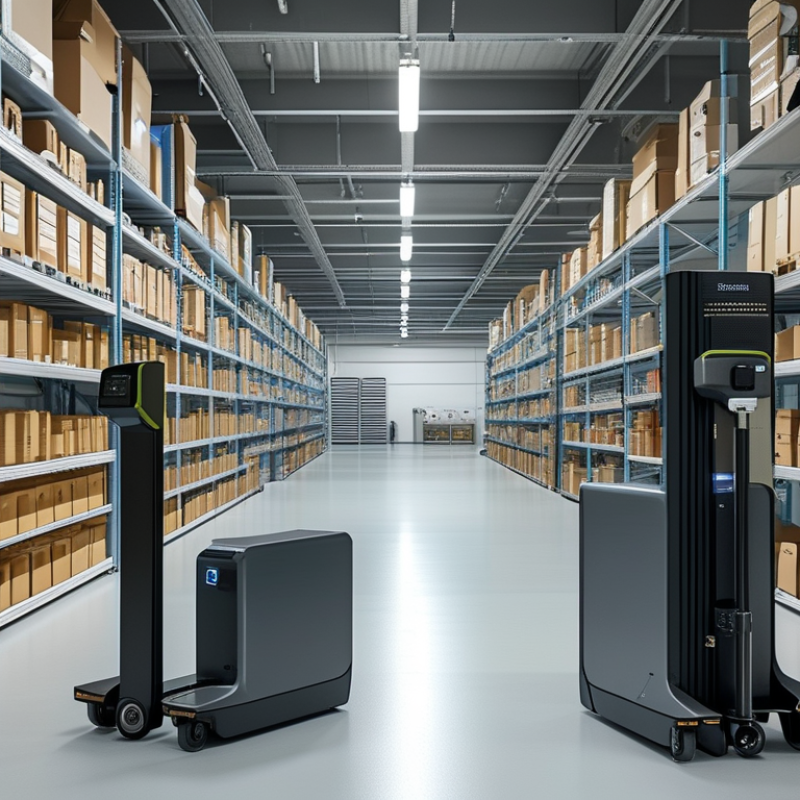
Understanding Motorized Mobile Storage Solutions
Motorized mobile storage solutions are transforming the way organizations manage their space. These systems provide efficient storage options that maximize floor space. A recent industry report indicated that organizations can save up to 50% of their storage area by utilizing mobile storage systems. This shift not only increases efficiency but also reduces overhead costs associated with storing inventory.
Understanding the mechanics of these systems is crucial. Motorized mobile storage uses a series of tracks and carriages to move storage units together. This allows for easy access while minimizing the footprint. However, users must consider the balance between speed and space utilization. Reports suggest that while these systems offer quick access, they can also require significant upfront investment and maintenance. Users should evaluate their specific needs carefully before committing.
One concern often overlooked is the potential for technical malfunctions. Despite advancements in technology, these systems can fail if not properly maintained. Organizations should develop a regular maintenance schedule. This can prevent costly downtimes that disrupt operations. Integrating feedback from employees who utilize these systems frequently can lead to better decision-making about features and design. The evolving nature of motorized storage necessitates ongoing reflection on performance and user experience.
Key Features to Evaluate in Mobile Storage Systems
When selecting mobile storage solutions, certain features can significantly impact usability and efficiency. One key aspect is load capacity. According to industry data, mobile storage systems typically support loads between 800 to 1200 pounds. Evaluating planned usage is crucial, as overstressing the system may lead to mechanical failures.
Another important feature is the method of movement. Systems that utilize a mechanical or motorized assist can ensure smoother transitions. A report by the Mobile Storage Association notes that ease of movement reduces labor hours by 20%. However, these motorized systems can require more maintenance. Regular assessments of their performance are essential to avoid unexpected downtime.
Security features also warrant attention. Many mobile storage solutions incorporate locking mechanisms and RFID tracking. Research shows that facilities implementing these features have reduced theft by approximately 30%. It is vital to weigh the necessity of security against budget constraints, as higher-grade locks and tracking can increase costs. Reflecting on these aspects ensures a well-rounded decision in selecting the right mobile storage system.
Assessing the Space Requirements for Mobile Storage
When considering motorized mobile storage solutions, it's crucial to assess your space requirements thoroughly. Space evaluation starts with measuring the area where the storage units will reside. Factor in the dimensions of the units and the layout of your space. Ensure to account for aisles, entries, and any potential obstacles. Understanding the height and width of your storage systems is vital. You don't want to end up with units that overwhelm your available space.
It’s also important to reflect on how the environment influences your choices. For instance, high humidity areas may require different materials than dry spaces. Ensure the mobile storage does not detract from the aesthetic appeal of your environment. Sometimes, larger units seem appealing but can lead to underutilized areas. Be mindful of how the visual aspects affect workflow and comfort.
Consideration of future needs is essential as well. As your storage requirements evolve, your initial choice may not suffice. Flexibility allows for adjustments without total replacement. Evaluate if your chosen system can adapt to different items or accommodate additional capacity. Aim for solutions that are not only functional but also adaptable to meet changing demands in the long term.
Comparing Costs: Budgeting for Motorized Storage Solutions
When budgeting for motorized storage solutions, it's essential to understand the overall costs involved. The initial purchase price can be daunting, and it's not just about the equipment itself. Installation fees often add to the total expense, as proper setup requires expertise. It's wise to seek quotes from multiple providers to ensure competitive pricing.
Ongoing costs are another consideration. Maintenance and energy consumption can escalate over time. Regular upkeep is necessary to keep the system running smoothly. Ignoring these elements can lead to larger repair bills later on. Energy efficiency should also factor into your decision; a system that consumes less power may have a higher upfront cost but can save money in the long run.
While comparing options, weigh the quality against price. Cheaper solutions might seem appealing but could compromise functionality. Reliability matters, especially in crucial operations. Invest time in researching the market. Gathering insights from user experiences can guide your choice. Balancing cost and quality ensures you select a motorized storage solution that truly meets your needs.
How to Choose the Best Motorized Mobile Storage Solutions? - Comparing Costs: Budgeting for Motorized Storage Solutions
| Storage Solution Type |
Average Cost ($) |
Space Efficiency (%) |
Mobility Features |
Maintenance Cost Per Year ($) |
| Electric Mobile Shelving |
5000 |
40 |
Remote control, Automatic movement |
300 |
| Manual Mobile Shelving |
3000 |
35 |
Hand-crank operation |
150 |
| Automated Storage and Retrieval Systems |
15000 |
60 |
Fully automated, Adjustable speed |
500 |
| Modular Mobile Storage Units |
4200 |
50 |
Customizable sizes, Easy relocation |
250 |
Maintenance and Support Considerations for Mobile Systems
When considering motorized mobile storage solutions, maintenance and support play crucial roles in ensuring longevity and efficiency. A recent study by the Material Handling Industry of America indicates that inadequate maintenance can reduce equipment lifespan by up to 30%. Routine checks and proper servicing help identify emerging issues before they escalate, ultimately saving companies significant costs. Keeping detailed logs of maintenance activities fosters accountability and transparency, which are vital in creating a reliable support system.
Another aspect to consider is the availability of technical assistance. Many mobile systems require specialized knowledge for repairs. According to a report from the International Facility Management Association, 65% of companies experienced delays due to insufficient technical support. Investing in training for staff can bridge this gap. It is also beneficial to establish relationships with suppliers who can provide prompt, reliable help. This ensures the systems remain operational, minimizing downtime.
Balancing maintenance needs with operational demands can be challenging. Workers often prioritize immediate tasks over preventive care. This leads to a cycle of neglect that can cause unexpected failures. Regular training sessions that highlight the importance of maintenance can shift this mindset. Moreover, companies should integrate maintenance schedules into daily routines. This approach reinforces accountability and helps sustain high standards of efficiency long-term.
Conclusion
Motorized Mobile Storage solutions offer an efficient way to maximize space and improve accessibility in various environments. When selecting the best system, it's essential to understand the unique features these solutions provide, such as ease of use, safety mechanisms, and storage capacity. Evaluating the key features allows users to find a system that aligns with their organizational needs.
In addition to understanding the features, assessing space requirements is crucial to ensure proper fit and functionality. Budgeting for motorized storage solutions involves comparing costs and understanding the long-term value these systems provide. Lastly, considering maintenance and support is vital for ensuring the longevity and reliability of the mobile storage system. By carefully evaluating these factors, businesses can choose the most suitable motorized mobile storage solution to optimize their operations.

 Shunyiming Racking