Top 10 Benefits of ASRS Systems for Global Buyers?

Time:2026-08-18 Author:Mason
0%

In today's fast-paced global market, businesses are constantly seeking efficiency and cost-effectiveness. One technology that stands out is ASRS Systems, or Automated Storage and Retrieval Systems. These sophisticated solutions streamline warehouse operations, making them essential for companies looking to enhance productivity.

ASRS Systems offer numerous advantages that can significantly benefit global buyers. They optimize space utilization, which is crucial in crowded warehouses. Additionally, they reduce labor costs by automating routine tasks. Companies can redirect their workforce to more strategic roles, fostering innovation and growth. However, adopting ASRS Systems may require upfront investment and proper implementation.

Transparency in the implementation process is crucial for success. Buyers must be aware of potential challenges, such as system integration with existing operations. Despite these hurdles, the long-term benefits can outweigh initial concerns, positioning businesses for sustainable success. As competition continues to intensify, understanding the advantages of ASRS Systems becomes imperative for global buyers.
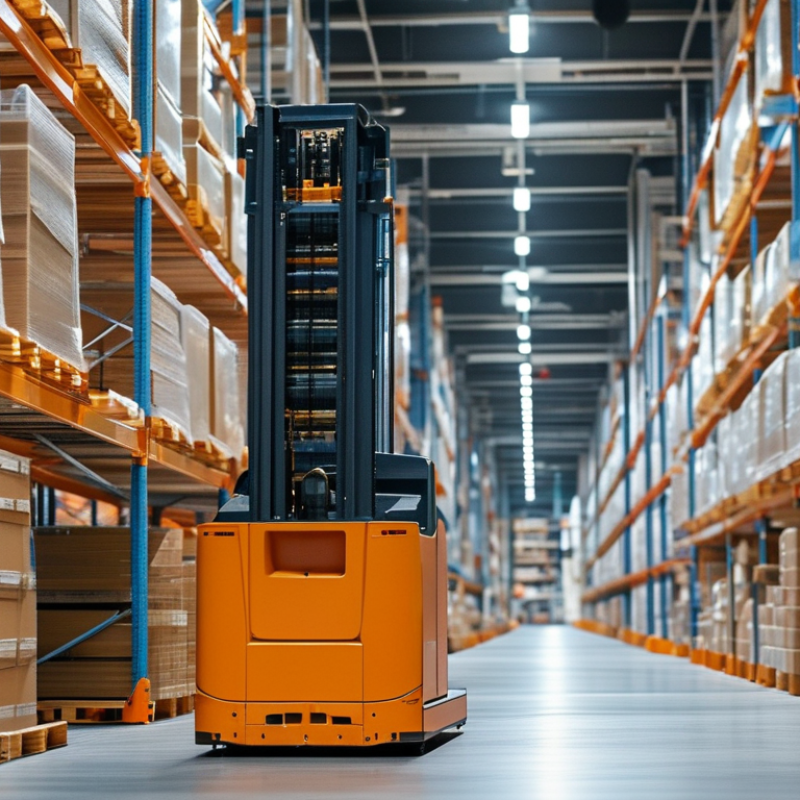
Top 10 Benefits of ASRS Systems for Global Buyers?

Benefits of ASRS Systems for Enhanced Inventory Management

Automated Storage and Retrieval Systems (ASRS) play a crucial role in modern inventory management. According to a recent report by the Warehousing Education and Research Council (WERC), efficient inventory management can reduce costs by up to 30%. ASRS systems streamline operations, enabling businesses to optimize space and increase throughput. By automating the storage process, errors can be minimized. Manual processes often result in inaccuracies, leading to stock discrepancies.

With ASRS technology, real-time inventory tracking is feasible. A study by the Supply Chain Management Review found that 70% of companies utilizing ASRS saw an improvement in their inventory accuracy. Enhanced visibility into stock levels allows for better decision-making. This can lead to improved customer satisfaction through accurate order fulfillment. However, challenges exist. High initial investment costs can make adoption difficult for smaller firms.

Still, the potential benefits are significant. ASRS can help companies adapt to fluctuating demand, a crucial factor in today’s market. Flexibility in systems enables quick adjustments to inventory levels and storage configurations. As market needs change, businesses must reflect on their strategies. Embracing ASRS may require a reevaluation of existing processes and technologies. This shift is essential for maintaining competitiveness in a rapidly evolving industry.

Cost Savings Associated with Implementing ASRS Solutions

Automated Storage and Retrieval Systems (ASRS) provide significant cost savings for businesses. One major advantage is the reduction in labor costs. These systems automate picking, storing, and retrieving items. This means fewer workers are needed for these tasks. The efficiency gained can lead to better allocation of human resources.

In addition to labor savings, ASRS systems decrease the likelihood of errors. Errors in order fulfillment can be costly. They lead to returns and unhappy customers. ASRS helps ensure accuracy in inventory management. Over time, this results in reduced costs related to returns and damaged goods.

Energy efficiency is another important benefit. ASRS typically requires less energy compared to traditional storage methods. The compact design of these systems maximizes space use. Storing more items in a smaller area lowers utility costs. It’s worth reflecting on initial implementation costs. While the upfront investment can be high, the long-term savings often justify it.

Top 10 Benefits of ASRS Systems for Global Buyers

Improving Efficiency and Productivity with ASRS Technologies

Automated Storage and Retrieval Systems (ASRS) significantly enhance efficiency in supply chain operations. According to a report by the Material Handling Industry (MHI), ASRS can improve order picking speed by up to 200%. This efficiency is crucial for organizations striving to meet growing consumer demands. With precise automation, ASRS minimizes human error, ensuring better inventory accuracy—often exceeding 99%.

The ability to efficiently manage warehouse space is another key benefit. A study from the Warehousing Education and Research Council (WERC) indicates that companies utilizing ASRS can increase storage density by as much as 60%. This shift supports leaner inventory practices and better utilization of expensive warehouse real estate. However, transitioning to an ASRS may require upfront capital investment and process reevaluation, which some organizations may find daunting.

As businesses grow, the flexibility of ASRS systems becomes more appealing. These systems adapt easily to different product sizes and types. They enable rapid inventory adjustments as market demands change. Yet, implementing ASRS can come with integration challenges with existing systems. Finding the right balance between automation and existing workflows is vital for maximizing productivity. Organizations must regularly assess their systems to ensure they are not only automated but also responsive to changing market conditions.

Flexibility and Scalability of ASRS for Global Supply Chains

The flexibility and scalability of Automated Storage and Retrieval Systems (ASRS) are crucial for modern supply chains. ASRS can easily adapt to changing inventory needs. They accommodate various product sizes and types, making them ideal for diverse operations. This adaptability enhances efficiency in fast-paced environments.

Scalability is another significant benefit. As businesses grow, their storage requirements often increase. ASRS allows for simple expansion. Companies can add more systems or modify existing ones. This capability ensures that infrastructure remains aligned with operational demands. Such responsiveness is vital for meeting customer expectations.

Implementing ASRS can pose challenges. Initial setup costs can be high, and systems require careful integration. Some users may struggle with training staff on new technologies. These factors can lead to temporary disruptions. However, these hurdles are often outweighed by the long-term gains in productivity and cost efficiency. Emphasizing employee training and gradual implementation can help mitigate these potential setbacks.

The Role of ASRS in Reducing Operating Risks and Errors

Automated Storage and Retrieval Systems (ASRS) play a crucial role in reducing operational risks and errors. By automating the storage and retrieval process, ASRS minimizes human error. In a bustling warehouse environment, errors can occur at any moment. ASRS systems help ensure that items are accurately stored and retrieved by using precise algorithms and sensors.

One key benefit of ASRS is its ability to enhance inventory accuracy. A well-implemented ASRS reduces misplacement of goods. This leads to a better understanding of current stock levels. Accurate stock tracking reduces waste and mitigates the risk of overstocking or stockouts. Solid inventory control is essential for meeting customer demand without disruptions.

Tips: Monitor the performance of your ASRS regularly. Use this data to identify areas needing improvement. Involve staff in training to reduce the risk of human errors when interfacing with the system. Regularly assessing the system's effectiveness can reveal flaws or inefficiencies that need attention.

Moreover, ASRS systems can streamline the order fulfillment process. They assist in picking items faster and more accurately than manual systems. Streamlined processes can lead to shorter order fulfillment times, which improves customer satisfaction. Yet, some organizations may struggle with integration challenges. Understanding these challenges can help in the transition to a more efficient system.

FAQS

: What are the main cost savings of

SRS?

How does ASRS affect order accuracy?

ASRS minimizes errors in order fulfillment. This reduces costs related to returns and enhances customer satisfaction.

Is ASRS energy efficient?

Yes, ASRS typically uses less energy than traditional methods. Its compact design helps lower utility costs.

What should businesses consider before adopting ASRS?

Businesses should reflect on initial implementation costs. High upfront investments can lead to long-term savings.

How does ASRS enhance inventory control?

ASRS improves inventory accuracy. It reduces misplacement and helps track stock levels effectively.

What are some challenges of implementing ASRS?

Organizations may face integration issues. Understanding these challenges is crucial for a smoother transition.

How can staff training impact ASRS reliability?

Involving staff in training can reduce human errors. Well-trained employees interface better with the system.

How often should ASRS performance be assessed?

Regular monitoring is essential. It helps identify areas needing improvement and enhances overall system effectiveness.

What is a potential downside of ASRS?

Some organizations may struggle with system integration. This requires attention and resources to overcome.

How does ASRS affect order fulfillment speed?

ASRS speeds up the order fulfillment process. It allows for faster picking, leading to improved customer satisfaction.

Conclusion

ASRS Systems, or Automated Storage and Retrieval Systems, offer numerous benefits that can significantly enhance inventory management for global buyers. By implementing ASRS solutions, companies can achieve substantial cost savings through optimized storage and retrieval processes. This technology improves efficiency and productivity by streamlining operations, allowing for faster order fulfillment and better space utilization.

Moreover, ASRS Systems provide flexibility and scalability, making them ideal for dynamic global supply chains that need to adapt to changing demands. Additionally, these systems play a critical role in reducing operating risks and errors, ensuring accuracy in inventory handling and contributing to overall operational reliability. In summary, the adoption of ASRS Systems can lead to improved performance and competitive advantage in the marketplace.

Mason

Mason

Mason is a seasoned marketing professional with a deep expertise in the company's offerings and a passion for driving brand awareness. With a strong background in digital marketing strategies, he has an innate ability to connect with diverse audiences and effectively communicate product benefits.......